
Tests When Using Exemestane
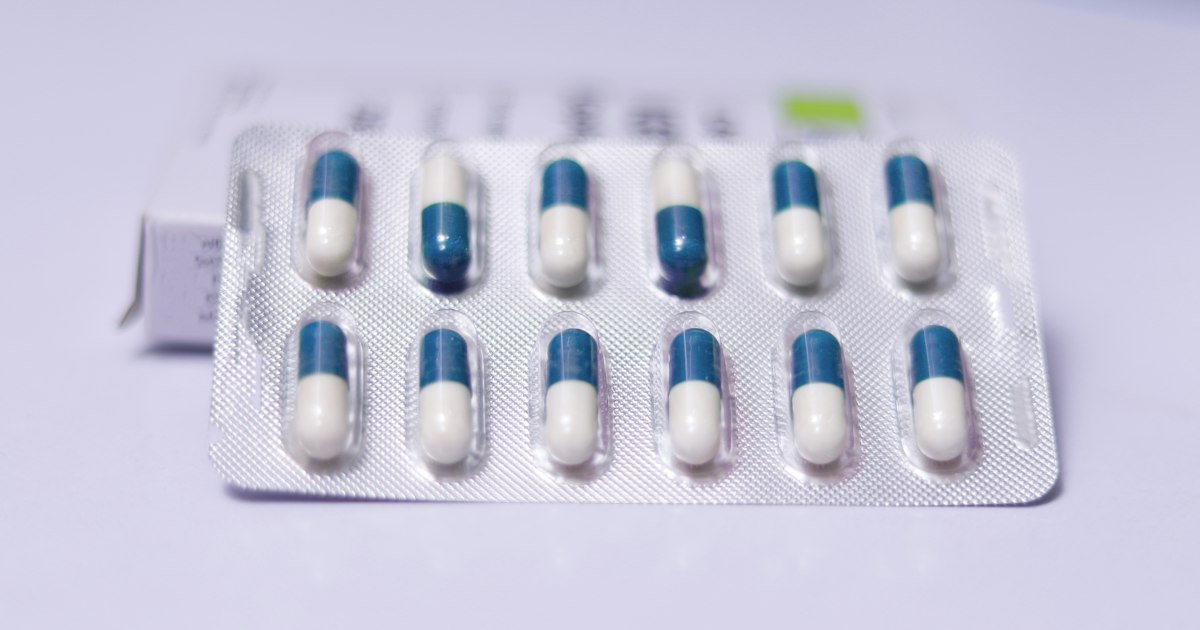
Exemestane changes the hormonal background deeply and for a long time, so treatment with it is accompanied by planned laboratory and instrumental monitoring. The editorial team examined which indicators doctors check, why each of them is needed, and which interpretation errors occur most often.
Why monitoring is needed during treatment
Exemestane is a steroidal irreversible aromatase inhibitor used mainly in the adjuvant therapy of hormone-dependent breast cancer in postmenopausal women. The drug suppresses the conversion of androgens to estrogens in peripheral tissues, and this is precisely what gives the antitumor effect. But estrogens perform many other functions in the body, so their sharp reduction has systemic consequences.
The most significant of them are loss of bone mass, changes in lipid metabolism, joint pain, and menopausal symptoms. These effects develop gradually, often without symptoms, and can be detected in time only through regular examination. That is why monitoring during treatment is not a formality but a part of the therapy itself.
Treatment with aromatase inhibitors lasts for years, so the examination plan is built with a long-term perspective in mind: baseline tests before the start, repeat assessment at certain intervals, and unscheduled tests if complaints arise. The specific schedule is determined by the oncologist, taking into account age, comorbidities, and baseline indicators.
Cases where exemestane is used outside oncology, for example in men, require separate attention. Here monitoring is even more important, because the target becomes normal physiology, and excessive suppression of estradiol has clear clinical consequences for bones, lipids, and sexual function.
The baseline panel: what is checked before and during therapy
The list of examinations depends on the indications, but a typical set has formed in clinical practice. Its purpose is to assess the baseline state of the bones and metabolism, and then to track the dynamics. The editorial team gathered the main items in a table.
| Indicator | Purpose | Comment |
|---|---|---|
| Densitometry (DXA) | Assessment of bone mineral density | The key study with long-term use of aromatase inhibitors |
| 25(OH) vitamin D, calcium | Osteoporosis prevention | Deficiency is corrected before and during treatment |
| Lipid panel | Assessment of cardiovascular risk | Total cholesterol, LDL, HDL, triglycerides |
| ALT, AST, bilirubin, alkaline phosphatase | Liver function | The drug is metabolized in the liver |
| Creatinine | Kidney function | Part of the basic biochemical workup |
| Estradiol, FSH | Confirmation of postmenopausal status | Especially important in younger women |
Confirmation of menopause is an important detail that is often forgotten. Aromatase inhibitors are not effective as monotherapy in women with preserved ovarian function: the reduction of estrogens stimulates the ovaries by feedback, and they begin to produce even more hormones. Therefore, in women with an unclear menopausal status, the doctor assesses FSH and estradiol.
Biochemical indicators of the liver and kidneys are checked as part of the general examination. The official prescribing information notes that in patients with hepatic or renal insufficiency the drug exposure increases, although dose adjustment is not provided for in the instructions. Nevertheless, deviations from normal attract the doctor's attention and can influence the overall approach.
During treatment, some of the tests are repeated periodically — usually the lipid panel and biochemistry, while densitometry is performed at an interval that depends on the baseline result and osteoporosis risk factors.

Estradiol: why this test most often misleads
Intuitively it seems that the best way to monitor the action of an aromatase inhibitor is to measure estradiol. In fact, in oncology practice, routine monitoring of estradiol in postmenopausal women is not performed: the hormone level in them is already very low, and clinical efficacy is assessed by other criteria.
The main problem is the accuracy of the method. Standard immunochemical estradiol assays were developed for the range of values typical of women of reproductive age. In the zone of very low concentrations they have a high error, and the result may reflect not the real hormone level but the "noise" of the method.
For exemestane there is another peculiarity: the drug and its metabolites have a steroidal structure, and the literature describes cases of falsely elevated estradiol results in immunoassay due to cross-reactivity. This can create the impression that the drug "is not working," although the estrogens are in fact suppressed.
The gold standard for measuring low estradiol concentrations is considered to be liquid chromatography with tandem mass spectrometry (LC-MS/MS). If the question of estrogen level is truly clinically important, the doctor may order precisely this method and will always take into account how the analysis was performed.
Bones and lipids: long-term targets of monitoring
Estrogens inhibit the breakdown of bone tissue, so their deficiency accelerates the loss of mineral density. In the IES bone substudy (Coleman et al., 2007), switching from tamoxifen to exemestane was accompanied by a decrease in bone tissue density, most pronounced in the first months. This is exactly why densitometry is included in the mandatory list.
Based on the DXA results, the doctor assesses the fracture risk and decides whether prevention is needed: correction of vitamin D and calcium, physical activity, and, when indicated, antiresorptive drugs. This approach makes it possible to continue effective antitumor therapy without an unacceptable risk to the skeleton.
The lipid profile against the background of aromatase inhibitors may change, and data from various studies on individual drugs are inconsistent. In men, suppression of estradiol is associated with a decrease in HDL. Therefore, the lipid panel is monitored, especially in people with other cardiovascular risk factors.
In men receiving exemestane for medical reasons, the doctor may additionally assess total testosterone, LH, FSH, and hematocrit: an increase in one's own testosterone due to weakened feedback is theoretically capable of affecting blood counts. Interpretation of these tests requires the experience of an endocrinologist.
- Loss of bone mass occurs without symptoms — the first "signal" may be a fracture.
- Lipid changes are assessed over time, not by a single result.
- Joint pain is a common effect of aromatase inhibitors; it is worth reporting to the doctor.
How to prepare for tests and not make a mistake in interpretation
For most biochemical indicators standard rules apply: give blood in the morning on an empty stomach, after 8–12 hours of fasting, avoiding intense training and alcohol the day before. For the lipid panel it is especially important to observe these conditions, otherwise the triglyceride results may be uninformative.
Hormonal tests should preferably be taken at the same laboratory and by the same method, in order to compare results over time. Reference intervals of different laboratories and methods differ, and directly comparing numbers from different forms can lead to false conclusions.
You should tell the doctor about all the drugs and supplements you take. Biotin in high doses, popular in supplements for hair and nails, can distort the results of some immunoassays, including hormonal ones. Results are also affected by acute illnesses, recent surgeries, and significant changes in body weight.
Finally, no test should be interpreted in isolation. The doctor compares laboratory data with complaints, the results of instrumental examinations, and the overall treatment plan. Drawing your own conclusions from a single deviation is the most common cause of unfounded anxiety or, conversely, of missed problems.
Editorial conclusions
Monitoring during exemestane treatment focuses not on the "estrogen number" but on the consequences of its deficiency: the state of the bones, lipid metabolism, liver function, and general well-being.
Estradiol in the low range is poorly measured by standard immunoassays, and for exemestane cross-reactivity is also described. If the hormone level is truly important, preference is given to mass spectrometry.
Densitometry and correction of vitamin D are the cornerstones of safe long-term treatment with aromatase inhibitors.
We also recommend reading our articles "Exemestane and Libido," "Tests When Using Cabergoline," and the material on how to properly prepare for hormonal tests.
References
- Coombes RC, Hall E, Gibson LJ, et al. A randomized trial of exemestane after two to three years of tamoxifen therapy in postmenopausal women with primary breast cancer. N Engl J Med. 2004;350(11):1081–1092.
- Coleman RE, Banks LM, Girgis SI, et al. Skeletal effects of exemestane on bone-mineral density, bone biomarkers, and fracture incidence in postmenopausal women with early breast cancer participating in the Intergroup Exemestane Study (IES): a randomised controlled study. Lancet Oncol. 2007;8(2):119–127.
- Goss PE, Ingle JN, Alés-Martínez JE, et al. Exemestane for breast-cancer prevention in postmenopausal women. N Engl J Med. 2011;364(25):2381–2391.
- Mauras N, Lima J, Patel D, et al. Pharmacokinetics and dose finding of a potent aromatase inhibitor, aromasin (exemestane), in young males. J Clin Endocrinol Metab. 2003;88(12):5951–5956.
- Finkelstein JS, Lee H, Burnett-Bowie SA, et al. Gonadal steroids and body composition, strength, and sexual function in men. N Engl J Med. 2013;369(11):1011–1022.
- Pfizer. Aromasin (exemestane tablets): prescribing information. U.S. Food and Drug Administration.
Andriy Melnyk
A strength-sports coach and author of programs for beginner and intermediate levels. Writes about training planning.