Electrolytes During a Bulk: Is There a Point
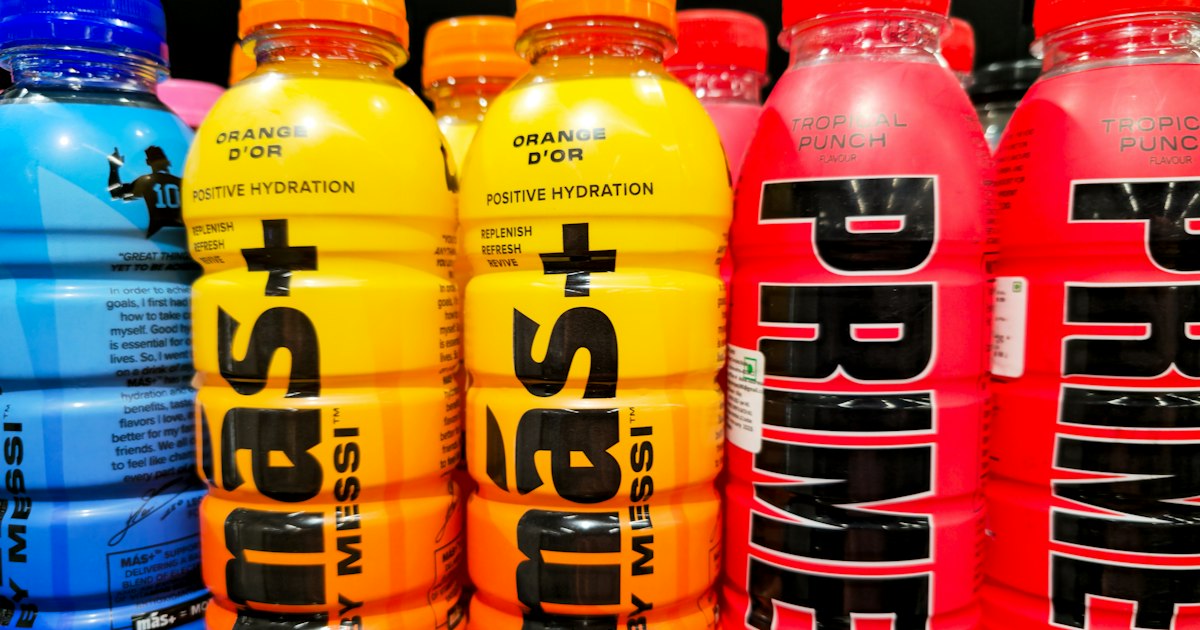
While bulking, people readily buy gainers, protein, and creatine, but electrolytes are usually associated with running and cycling. Yet in recent years they have also begun to be marketed "for the pump," "for full muscles," and "better creatine absorption." The editorial team looked into whether adding electrolytes during a mass-gaining period makes sense and what of this has a scientific basis.
Hydration and strength performance
Dehydration worsens not only endurance but also strength indicators. The review by Judelson and colleagues (2007) analyzed how water balance affects strength, power, and high-intensity work. The authors concluded that hypohydration of roughly 3–4% of body mass reduces strength and power by an average of a few percent, and high-intensity endurance even more.
For bulking this matters: progress in strength training is based on gradually increasing the load, and even a small drop in performance in each session eventually affects the result. So hydration is no trifle, even in "iron" sports.
At the same time, the level of dehydration that substantially affects strength rarely occurs in a typical 60–75-minute session in an air-conditioned gym. Most people who drink water throughout the day and during training never reach it.
The ACSM position stand (Sawka et al., 2007) recommends avoiding a loss of more than 2% of body mass during exercise. For an athlete on a bulk this is a simple benchmark: weigh yourself before and after training, and if the difference is small, your hydration is most likely adequate.
How much sodium people get during a bulk
A bulking diet is usually large in volume: more bread, grains, meat, cheese, sauces. Along with the calories, sodium intake also rises. For most people gaining mass, the problem is not a lack of sodium but that there is already more of it than the recommended levels.
The U.S. National Academies (2019) defined an adequate sodium intake for adults of 1,500 mg per day, and the level above which reducing intake lowers chronic risks as 2,300 mg. Actual intake in many countries substantially exceeds these values even without sports supplements.
| Scenario during a bulk | Sodium intake from food | Need for electrolytes |
|---|---|---|
| Strength training up to 75 min in the gym | Usually high | As a rule, not needed |
| Strength + prolonged cardio | High | Sometimes, on hot days |
| Training in the heat, heavy sweating | May not cover losses | Appropriate |
| Team sports during a bulk | Depends on the diet | Often appropriate during training |
Potassium is another story: a bulking diet built on rice, chicken, and gainers can be poor in vegetables and fruit, and therefore in potassium. But it is more logical to solve this with foods — bananas, potatoes, legumes — than with pills.
"Pump," creatine, and water in the muscles
The idea of a "sodium pump" is that sodium increases plasma volume, and the muscles fill with blood better during training. Physiologically sodium does indeed retain water in the extracellular space, but there are practically no controlled studies showing that extra sodium before training increases muscle mass gain.
As for creatine: its transport into muscle cells is carried out by a sodium-dependent transporter. From this, marketing concludes that electrolytes "improve creatine absorption." But for the transporter to work, a normal blood sodium level, which the body maintains within narrow limits, is sufficient. The ISSN position stand on creatine (Kreider et al., 2017) does not mention any need for additional electrolytes.
The increase in muscle "fullness" that people feel during a bulk is mainly related to glycogen (each gram of which binds water) and creatine. Electrolytes are not a separate factor in this process unless the body has a deficiency of them.
When electrolytes during a bulk make sense
There are situations where an electrolyte supplement during a bulk is justified. The most obvious is training in hot conditions: summer without air conditioning in the gym, outdoor work, training camps. Sweat losses in such conditions can be significant.
The second is athletes in team sports and fighters who are gaining mass while continuing long technical sessions. For them, gaining mass does not cancel out 1.5–2-hour sessions with heavy sweating, and electrolytes help maintain performance.
- Training longer than 60–90 minuteswith heavy sweating.
- Hot conditionsor insufficient ventilation in the gym.
- "Salty" sweat— white streaks on clothing after training.
- Intestinal infections— here pharmacy oral rehydration salts are better.
The third option is people who combine bulking with a low-carbohydrate diet. This is a rare strategy, but in it sodium losses are higher, and electrolytes can be useful, as on a keto diet in general.
Risks and unnecessary expenses
For a healthy person with normal kidney function, a moderate excess of sodium from electrolytes usually poses no acute danger — the kidneys excrete it. However, in the long term, high sodium intake is associated with elevated blood pressure, and bulking itself is often accompanied by rising pressure due to weight gain.
Extra sodium also increases fluid retention, so weight rises faster, and it becomes harder to control the muscle-to-fat ratio by the scale. A person may decide they are gaining "lean" mass, although part of the gain is water.
Finally, many electrolyte products contain sugar, caffeine, or other additives. During a bulk sugar is not critical, but caffeine in evening servings worsens sleep — and sleep is one of the key factors in muscle growth.
From a financial standpoint, electrolytes for a person who trains for an hour in a cool gym are most often an unnecessary expense. That money is more rationally invested in quality food, protein, or creatine, which have a stronger evidence base for gaining mass.
Editorial conclusions
During a bulk, electrolytes are not necessary for most people: the diet usually already contains enough sodium, and typical strength training does not cause significant sweat losses.
The promises of a "sodium pump" and "better creatine absorption" have no convincing scientific support.
Electrolytes are appropriate in the heat, during long training sessions with heavy sweating, and for athletes who combine bulking with endurance work.
We also recommend our articles "Gainer During a Bulk: Is There a Point," "Electrolytes During a Cut: Does It Help," and "Creatine and Hydration."
References
- Judelson DA, Maresh CM, Anderson JM, et al. Hydration and muscular performance: does fluid balance affect strength, power and high-intensity endurance? Sports Med. 2007;37(10):907–921.
- Sawka MN, Burke LM, Eichner ER, et al. American College of Sports Medicine position stand. Exercise and fluid replacement. Med Sci Sports Exerc. 2007;39(2):377–390.
- National Academies of Sciences, Engineering, and Medicine. Dietary Reference Intakes for Sodium and Potassium. Washington, DC: National Academies Press; 2019.
- Kreider RB, Kalman DS, Antonio J, et al. International Society of Sports Nutrition position stand: safety and efficacy of creatine supplementation in exercise, sport, and medicine. J Int Soc Sports Nutr. 2017;14:18.
- Iraki J, Fitschen P, Espinar S, Helms E. Nutrition recommendations for bodybuilders in the off-season: a narrative review. Sports (Basel). 2019;7(7):154.
- Baker LB. Sweating rate and sweat sodium concentration in athletes: a review of methodology and intra/interindividual variability. Sports Med. 2017;47(Suppl 1):111–128.
Andriy Melnyk
A strength-sports coach and author of programs for beginner and intermediate levels. Writes about training planning.